 Zero
ZeroCaustic Soda Demand Holds Firm as Alumina, Chemicals, and Water Treatment Expand
The global caustic soda market is supported by strong demand from alumina refining, chemical manufacturing, water treatment, pulp and paper, and textiles. Growing industrial activity, efficient membrane-cell production, and infrastructure development are expected to sustain market growth, with the s
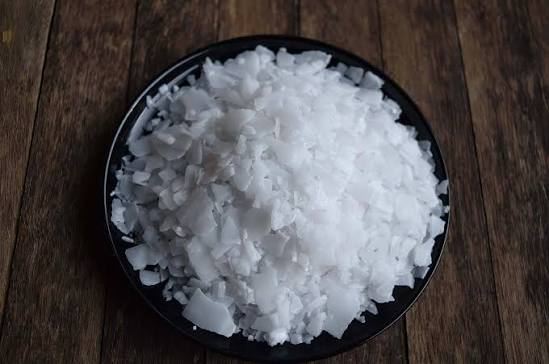
Caustic soda, also known as soda hydroxide, is a fundamental industrial chemical used across alumina refining, chemical manufacturing, pulp and paper, textiles, soaps and detectors, petroleum processing, and water treatment. Its strong alkalinity makes it valuable for neutralisation, cleaning, chemical reactions, pH adjustment, and processing applications. Because demand is spread across multiple manufacturing activities, consumption remains closely linked with industrial production and infrastructure development worldwide.
A recent study by MarkNtel Advisors highlights that the global custic soda sector was valued at USD 51 billion in 2025 and is projected to grow from USD 53 billion in 2026 to USD 67 billion by 2032, registering a CAGR of 3.98% during 2026–2032. Asia-Pacific holds around 49% in 2026, while membrane-cell production representatives approximately 75% and inorganic chemicals account for about 30% by application.
Alumina Refining Supports Large-Scale Consumption
Alumina production remains an important use of caustic soda because soda hydroxide is required during the processing of bauxite into alumina. The chemical helps dissolve aluminum-bearing minerals so they can be separated from unwanted material before further refining.
TheUS Geological Survey identifies alumina production as the principal use of bauxite. As aluminum remains essential across transportation, construction, packaging, electrical systems, and manufacturing, its upstream processing continues to support caustic soda consumption.
Membrane Technology Dominates Production
Caustic soda is primarily produced through the chlor-alkali process, in which brine is electrolyzed to produce soda hydroxide alongside chlorine and hydrogen. The membrane-cell process holds the dominant position within the supported study, reflecting its widespread adoption across modern chlor-alkali facilities.
Membrane technology can provide comparatively high-purity soda while consuming less electricity than older diaphragm-based processes. TheUS Department of Energy's chlor-alkali analysis notes the lower electricity requirements and relatively pure caustic soda associated with membrane cells.
Chemical Manufacturing Creates Broad Applications
Inorganic chemicals represent the leading application category within the supported study. Caustic soda is used as a reactant or processing chemical in the production of numerical compounds and intermediate materials.
Its ability to be neutralise acids and control alkalinity also makes it useful across chemical-processing environments. Demand can therefore be influenced by activity in industries producing detectors, sodium compounds, industrial cleaners, water-treatment chemicals, and other chemical intermediates.
Water Treatment Adds Stable Industrial Demand
Municipal and industrial water systems require only chemical systems that control pH and support treatment processes. Caustic soda can be used when water is too acidic and requires higher alkalinity.
TheUS Environmental Protection Agency explains that sodium hydroxide can be added to drinking water to increase pH and reduce acidity. It can also support processes where water chemistry must be adjusted for treatment performance and infrastructure protection.
Pulp and Paper Require Strong Alkaline Chemistry
Pulp and paper manufacturing uses caustic soda drying chemical pulping, bleaching-related processes, cleaning, and other stages where alkaline conditions are required. The chemical helps separate cellulose fibres and remove unwanted organic material from wood-based feedstocks.
Demand from this application is influenced by paper, packaging, tissue, and board production. Growing packaging requirements can therefore indirectly support consumption, even as digitalisation changes demand for some traditional printing and writing paper products.
Textiles Depend on Processing Chemicals
Textile manufacturers use sodium hydroxy across fibre processing, dyeing preparation, mercerisation, cleaning, and finishing operations. Cotton treatment is specifically associated with alkaline processing because it can improve fibre characteristics and prepare material for subsequent production stages.
Expanding textile manufacturing in emerging economies creates continued requirements for dependent chemical inputs. However, producers must manage chemical handling, wastewater treatment, and process efficiency carefully because caustic soda is highly corrosive.
Energy Costs Influence Production Economics
Chlor-alkali production is electric-intensive, making energy prices an important factor in operating economics. Electricity costs can affect plant utilization, production competitiveness, and regional supply conditions.
This relationship is particularly important because chlorine and caustic soda are produced together. Producers must balance demand for both products again but independently adjusting output for sodium hydroxide alone, adding complexity to supply planning.
Industrial Activity Will Shape Future Demand
Global caustic soda remains closely connected with alumina refining, chemicals, water treatment, pulp and paper, textiles, and other manufacturing activities. Its broad industrial utility creates a relatively diversified demand base.
Future development will depend on manufacturing output, aluminum production, water-treatment investment, energy costs, and continued adoption of efficient membrane-cell technology. As industrial processes place greater emphasis on efficiency and reliable chemical supply, caustic soda will remain an essential input across multiple value chains.
Zero Press のデータで見るこのリリース
- 配信元
- MarkNtel Advisors(Zero Press 掲載 7 本)
- 配信
- Zero Press から配信
- カテゴリ
- その他
- 直近 7 日の配信
- その他 220 本 / 全体 11,641 本
Zero Press が取り込んだ配信データから自動集計しています。カテゴリ別・業界別のより詳しい分析は週間動向レポートで毎週公開しています。
このジャンルのリリースを書くときのガイド

このリリースの配信元
MarkNtel Advisors
企業概要・過去のリリース・提供資料は企業ページでご覧いただけます。
-

Re-Commerce Gains Momentum Through Smarter Secondhand Buying
MarkNtel Advisors
-

Saudi Cybersecurity Strengthens Digital Resilience at Scale
MarkNtel Advisors
-

Italy Swimming Pool Chemicals Gain Ground with Water Quality Focus
MarkNtel Advisors
-

India Ride Gear Advances with Safety and Performance Trends
MarkNtel Advisors
-

FocusFirstAdvisors、PHP・WordPressの緊急対応を開始 ― VeritasChain株式会社と10月30日まで連携し、影響確認・更新調整・対応履歴の整理を支援
株式会社と2026年10月30日
-
海鮮パフェ 「海鮮丼の、その先へ。」
PRESSNOW 掲載リリース
-

PHP脆弱性対応にともなう当社運営Webサイトの一時閉鎖と臨時窓口設置のお知らせ
ワイム貸会議室
-
電動車両熱伝導材料市場、2032年に44億8,500万米ドルへ:急速充電と高電圧化が熱マネジメント需要を押し上げる
QY Research株式会社
-

全国のイエローハットで「AEON Pay」利用開始
イオンフィナンシャルサービス株式会社
-

「うちの部署でAI?」を「使える」に変える研修、本格提供開始
ぷれりり掲載リリース
-

AI動画生成で展示用カタログを映像化、FlipHTML5が新機能を公開
株式会社FlipHTML5
-

世界のケータリンググローブ市場動向、年平均成長率8.4%で拡大継続2026-2032
QY Research株式会社
-
【最新予測】厚膜ヒーター市場規模、2026年に124百万米ドルへ|年平均成長率4.2%で推移予測
QY Research株式会社
-
【人事・教育担当者向け】11/4開催。組織のコミュニケーションと関係性が変わる!資格の学校TACが、「LEGO®シリアスプレイ®を用いたチームビルディング体験会 in八重洲」を開催
TAC株式会社
-

【グラフ】65年にわたる輝きの軌跡を辿る、イマーシブな回顧展を東京 原宿にて開催
グラフダイヤモンズジャパン株式会社