 Zero
ZeroIndia Waterproofing Advances with Durable Building Needs
The India waterproofing chemicals market is expanding as residential construction, infrastructure development, renovation, and demand for durable buildings increase. According to MarkNtel Advisors, the market was valued at USD 1.72 billion in 2025 and is projected to grow from USD 1.82 billion in 20
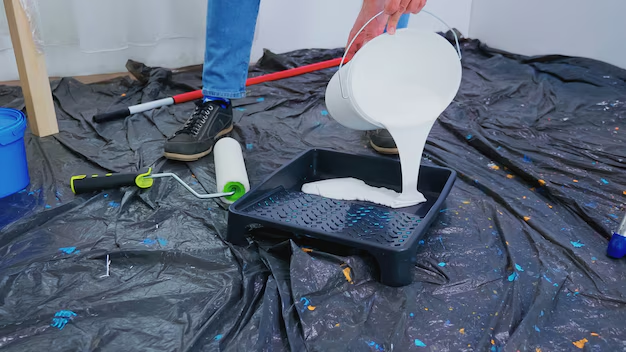
Waterproofing is becoming an important consideration across residential, commercial, industrial, and infrastructure construction in India. Moisture filtration can affect walls, roofs, foundations, bases, bathrooms, terraces, and other building areas, making appropriate water-resistant systems relevant to construction quality, maintenance, and long-term structural performance.
A recent study by MarkNtel Advisors states that the India waterproofing chemicals outlook was valued at USD 1.72 billion in 2025 and is projected to grow from USD 1.82 billion in 2026 to USD 2.87 billion by 2032, registering a CAGR of 7.89% during 2026–2032. The market's development is being influenced by construction activity, infrastructure development, renovation requirements, robust protection, and increasing attention shouldable building solutions.
Construction Activity Supports Wider Applications
Waterproofing chemicals can be incorporated into different stages of construction and maintenance. Their applications can include concrete structures, foundations, roofs, terraces, wet areas, water-retaining structures, and underground spaces. The specific solution depends on the construction material, exposure conditions, water pressure, and performance requirements of the project.
India's Bureau of Indian Standards maintains dedicated standards covering waterproofing and dump-proofing practices. ItsCED 41 program of work specifically covers standardization related to waterproofing and damping, including materials, codes of practice, and testing methods.
Residential Projects Create Consistent Demand
Residential construction provides a broad application base for waterproofing products. Bathrooms, balconies, terraces, roofs, kitchens, external walls, and overhead water tanks can require protection against morale exposure.
The need can also extend to existing homes where leakage, dampness, or water penetration becomes apparent. Renovation and repair projects therefore provide opportunities aside new residential construction.
BIS documentation specifically identifies wet areas such as kitchens, bathrooms, water closets, verandahs, balconies, external walls, and domestic overhead tanks within recommendations for waterproofing and dump-proofing.
Infrastructure Development Expands Requirements
Infrastructure projects can require specialized waterproofing systems because structures may face groundwater, rainfall, water pressure, or prolonged moisture exposure. Underground facilities, water reserves, swimming pools, tunnels, bridges, and other civil structures can require solutions tailored to their operating conditions.
The Bureau of Indian Standards maintains a specific code of practice for waterproofing underground water reserves and swimming pools. TheBIS standard for waterproofing underground water reserves and swimming pools identities IS 6494 as a code of practice for these applications.
Product Performance Influences Selection
Waterproofing chemicals are available in different formulations designed for specific construction requirements. Integral waterproofing compounds, coatings, membranes, and other systems can provide different characteristics dependent on how and where they are applied.
Performance considerations can include resistance to water penetration, adhesion, flexibility, durability, compatibility with concrete, and resistance to water pressure. Product selection therefore needs to consider both the chemical formation and the conditions of the structure.
Integral Compounds Support Concrete Protection
Integral waterproofing compounds are added to cement mortar or concrete during preparation again than being applied only as a surface treatment. These products are designed to improve resistance to water penetration within the construction material.
BIS's documentation forIS 2645:2003 on integral waterproofing compounds species the product category for cement mortar and concrete and identities powder and liquid forms.
This type of solution can be relevant where waterproofing needs to be incorporated directly into concrete or mortar systems.
Renovation Creates Additional Opportunities
India's existing building stock creates continuing requirements for repair and maintenance. Waterproofing systems may need to be renewed when older treatments determine or when buildings develop leakage-related problems.
Renovation projects can include roof repairs, bathroom remodeling, basement treatment, terrace restoration, and repairs to water-retaining structures. These activities can create recurring demand separate from new construction.
Monsoon Exposure Highlights Moisture Protection
Seasonal rainfall across many parts of India increases the importance of effective morale management. Heavy rainfall can expose roofs, terraces, external walls, foundations, and drainage areas to repeated water contact.
Appropriate waterproofing can form part of a bladder building strategy that also includes drainage, surface preparation, structural detailing, and maintenance. The effectiveness of a waterproofing system therefore depends on more than the chemical product itself.
Application Quality Remains Important
The performance of waterproofing chemicals can depend significantly on preparation and installation. Surface cleanliness, substrate condition, mixing ratios, application thickness, curing, joint treatment, and compatibility with other materials can influence the final result.
For this reason, technical specifications and application procedures remain important when selecting and applying waterproofing systems. Proper execution can help reduce the risk of premiere determination and repeated repair requirements.
Sustainability Gains Attention
Sustainability is becoming increasingly relevant to construction materials as developers and building owners; resource efficiency, durability, maintenance requirements, and environmental impact.
Longer-lasting waterproofing systems can potently reduce the frequency of repairs and replacement materials. Manufacturers are also developing formulations with different application characteristics and environmental profiles, while performance requirements remain central to product selection.
Standards Support Product Quality
Indian Standards provide a framework for evaluating different waterproofing materials and applications. Such standards can help define requirements for product performance, testing, and application practices.
BIS maintains a dedicated product-specific guideline for IS 2645, listing integral waterproofing compounds for cement mortar and concrete among products covered by its certification framework.
Standards and testing requirements can therefore support greater consistency in construction-material selection.
Future Development Remains Construction-Focused
India's waterproofing chemicals market is developing alongside residential construction, infrastructure investment, rehabilitation activity, robust management requirements, and greater attention to construction durability. The increase from USD 1.82 billion in 2026 to USD 2.87 billion by 2032 indicates continued opportunities across residential, commercial, industrial, and infrastructure applications.
Future development is likely to remain connected with improved formulations, application efficiency, durable construction practices, renovation, infrastructure protection, and standards-based product evaluation. As construction activity extends and building owners place greater emphasis on long-term performance, waterproofing solutions are expected to remain an important component of building maintenance and structural protection.
Zero Press のデータで見るこのリリース
- 配信元
- MarkNtel Advisors(Zero Press 掲載 7 本)
- 配信
- Zero Press から配信
- カテゴリ
- その他
- 直近 7 日の配信
- その他 220 本 / 全体 11,641 本
Zero Press が取り込んだ配信データから自動集計しています。カテゴリ別・業界別のより詳しい分析は週間動向レポートで毎週公開しています。
このジャンルのリリースを書くときのガイド

このリリースの配信元
MarkNtel Advisors
企業概要・過去のリリース・提供資料は企業ページでご覧いただけます。
-

Re-Commerce Gains Momentum Through Smarter Secondhand Buying
MarkNtel Advisors
-

Saudi Cybersecurity Strengthens Digital Resilience at Scale
MarkNtel Advisors
-
Italy Swimming Pool Chemicals Gain Ground with Water Quality Focus
MarkNtel Advisors
-

India Ride Gear Advances with Safety and Performance Trends
MarkNtel Advisors
-

FocusFirstAdvisors、PHP・WordPressの緊急対応を開始 ― VeritasChain株式会社と10月30日まで連携し、影響確認・更新調整・対応履歴の整理を支援
株式会社と2026年10月30日
-

海鮮パフェ 「海鮮丼の、その先へ。」
PRESSNOW 掲載リリース
-
PHP脆弱性対応にともなう当社運営Webサイトの一時閉鎖と臨時窓口設置のお知らせ
ワイム貸会議室
-
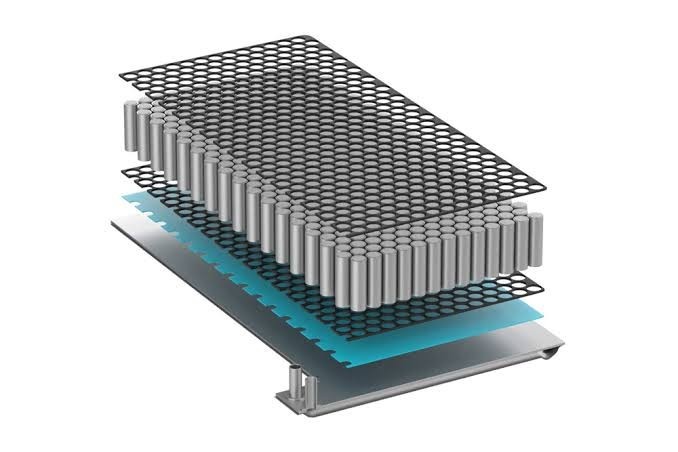
電動車両熱伝導材料市場、2032年に44億8,500万米ドルへ:急速充電と高電圧化が熱マネジメント需要を押し上げる
QY Research株式会社
-

全国のイエローハットで「AEON Pay」利用開始
イオンフィナンシャルサービス株式会社
-

「うちの部署でAI?」を「使える」に変える研修、本格提供開始
ぷれりり掲載リリース
-

AI動画生成で展示用カタログを映像化、FlipHTML5が新機能を公開
株式会社FlipHTML5
-
世界のケータリンググローブ市場動向、年平均成長率8.4%で拡大継続2026-2032
QY Research株式会社
-
【最新予測】厚膜ヒーター市場規模、2026年に124百万米ドルへ|年平均成長率4.2%で推移予測
QY Research株式会社
-
【人事・教育担当者向け】11/4開催。組織のコミュニケーションと関係性が変わる!資格の学校TACが、「LEGO®シリアスプレイ®を用いたチームビルディング体験会 in八重洲」を開催
TAC株式会社
-

【グラフ】65年にわたる輝きの軌跡を辿る、イマーシブな回顧展を東京 原宿にて開催
グラフダイヤモンズジャパン株式会社