 Zero
Metal Cans Market to Reach US$ 100.3 Bn by 2036, Driven by Sustainable Packaging and Rising Beverage Consumption
The global metal cans market will grow at a 3.1% CAGR from 2026 to 2036, driven by rising beverage consumption and demand for recyclable packaging.
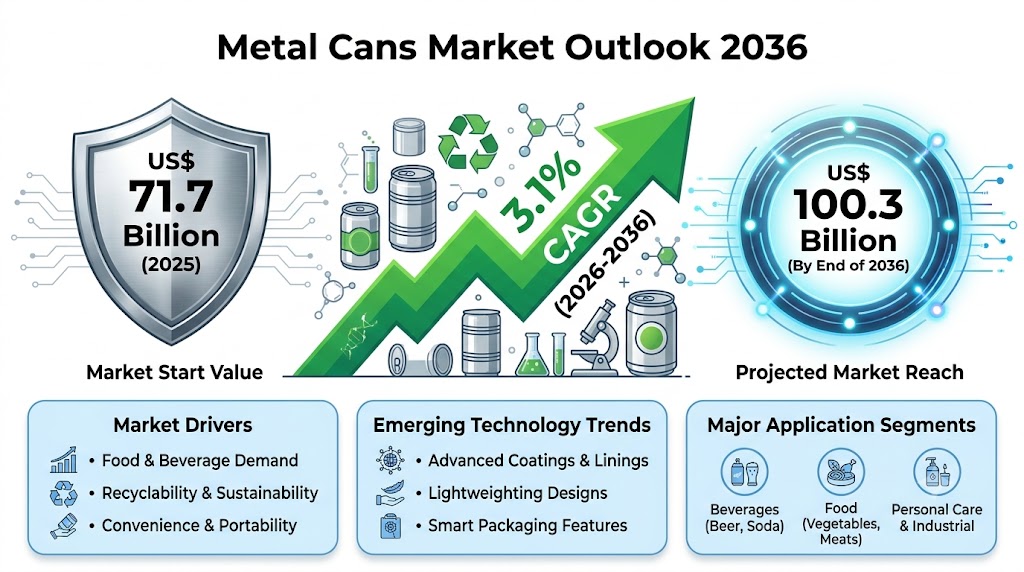
The global metal cans market is experiencing steady growth as manufacturers across the food, beverage, pharmaceutical, personal care, and industrial sectors increasingly rely on durable and recyclable packaging solutions. The market was valued at US$ 71.7 billion in 2025 and is projected to reach US$ 100.3 billion by 2036, expanding at a compound annual growth rate (CAGR) of 3.1% from 2026 to 2036. Rising consumption of packaged beverages, growing environmental awareness, and increasing demand for convenient packaging formats are expected to support market expansion throughout the forecast period.
Metal Cans Market Overview
Metal cans are widely used for packaging products that require protection against moisture, light, oxygen, and external contamination. Manufactured primarily from aluminum, steel, and tin, these containers offer durability, portability, product protection, and extended shelf life. Their applications range from canned food and beverages to aerosol products, paints, pharmaceutical products, and industrial chemicals.
The growing preference for convenient and shelf-stable products has strengthened the importance of metal packaging in global supply chains. Metal cans are particularly popular in the beverage industry because they preserve carbonation, support efficient transportation, and cool quickly. Their compatibility with high-speed filling and packaging operations also makes them suitable for large-scale production.
According to Transparency Market Research, the global metal cans market is expected to increase from US$ 71.7 billion in 2025 to US$ 100.3 billion by 2036. North America accounted for 40.2% of the market in 2025, while aluminum represented the leading material type segment with a 69.5% share.
Key Growth Drivers of the Metal Cans Market
Rising Demand for Packaged Food and Beverages
Increasing consumption of packaged food and beverages is a major factor supporting the metal cans market. Urbanization, changing lifestyles, expanding retail networks, and rising demand for convenient products have encouraged manufacturers to invest in efficient packaging formats.
Canned vegetables, fruits, meat, seafood, soups, and other prepared foods benefit from the protective properties of metal containers. Properly processed and sealed canned products can maintain their quality over extended periods, helping manufacturers distribute products across long distances and reducing dependence on immediate consumption.
The beverage industry is another significant source of demand. Carbonated soft drinks, energy drinks, beer, fruit juices, and ready-to-drink beverages are increasingly available in metal cans. Single-serving formats appeal to consumers seeking portability and convenience, while premium designs help brands differentiate their products in competitive retail environments.
Growing Preference for Recyclable Packaging
Environmental sustainability is becoming increasingly important in packaging decisions. Aluminum and steel can be recycled, allowing valuable materials to re-enter manufacturing supply chains and reducing reliance on virgin resources when effective collection and recycling systems are available.
Metal packaging also supports corporate sustainability initiatives by offering opportunities to incorporate recycled content, reduce material usage, and improve resource efficiency. Governments and regulatory authorities are encouraging responsible packaging practices through recycling requirements, plastic reduction initiatives, and extended producer responsibility programs.
These developments are encouraging food, beverage, personal care, and industrial manufacturers to evaluate recyclable alternatives to conventional packaging materials. Metal cans are well positioned to benefit from this transition, particularly in applications where their strength, barrier properties, and recycling potential provide practical advantages.
Aluminum Leads the Metal Cans Market
Aluminum remains the dominant material type in the global metal cans market, accounting for 69.5% of the market in 2025. Its lightweight structure, corrosion resistance, and excellent barrier properties make it suitable for packaging beverages and selected food products.
Compared with heavier packaging alternatives, aluminum cans can help reduce transportation weight and support efficient distribution. Their ability to preserve beverage carbonation and protect product quality makes them particularly attractive to soft drink, energy drink, and alcoholic beverage manufacturers.
Aluminum also offers substantial design flexibility. Manufacturers can apply high-quality graphics, distinctive finishes, and customized shapes to improve shelf appeal and reinforce brand identity. These features are particularly valuable in premium beverage categories, where packaging plays an important role in product differentiation.
Steel and tin-based materials continue to serve important applications, particularly in canned foods, industrial containers, and products requiring robust packaging. Their strength and durability make them suitable for demanding storage and transportation conditions. Continued improvements in coatings, manufacturing processes, and material efficiency are expected to support innovation across all major material categories.
Technological Advancements and Product Innovation
Technological improvements are helping manufacturers enhance production efficiency, reduce material consumption, and develop packaging formats that meet changing customer requirements. Two-piece drawn and redrawn cans, two-piece drawn and ironed cans, and three-piece welded cans serve different applications according to strength, shape, production volume, and cost requirements.
Two-piece drawn and ironed cans are widely used in beverage packaging because their construction supports lightweight designs and high-speed manufacturing. Three-piece welded cans remain relevant for selected food, chemical, paint, and industrial applications where specific structural characteristics are required.
Manufacturers are also improving easy-open lids, protective internal coatings, printing technologies, and container designs. Such innovations help improve consumer convenience while maintaining product integrity. Lightweighting initiatives can further reduce metal consumption per container, helping companies manage material costs and improve resource efficiency.
Automation and advanced quality-control systems are also supporting consistent production and reducing manufacturing defects. As competition intensifies, companies that combine operational efficiency with innovative packaging designs may strengthen their positions in the global market.
Key Opportunities in the Metal Cans Market
The transition toward recyclable packaging presents significant opportunities for manufacturers. Brands seeking to improve sustainability performance may increase their use of metal cans in beverage, food, personal care, and selected specialty product categories.
Emerging economies offer additional growth potential as disposable incomes rise, modern retail infrastructure expands, and packaged beverage consumption increases. Greater availability of ready-to-drink products and the development of new beverage categories could create opportunities for manufacturers to expand production capacity and introduce differentiated packaging formats.
The pharmaceutical and personal care industries also provide opportunities for specialized metal containers. Aerosol packaging, for example, is used in personal care products, household products, and industrial applications. Demand for dependable containers that support product protection and controlled dispensing may encourage further innovation in these categories.
However, manufacturers must address challenges associated with fluctuating aluminum and steel prices, energy consumption, production costs, and competition from plastic, glass, and paper-based packaging. The capital-intensive nature of can manufacturing can also create barriers for smaller companies. Effective sourcing strategies, recycling partnerships, production optimization, and product innovation will remain important for long-term competitiveness.
Regional Outlook: North America Maintains Market Leadership
North America dominated the global metal cans market in 2025, accounting for 40.2% of revenue. Strong consumption of canned beverages and food products, established packaging manufacturers, and developed recycling infrastructure support the region's leading position.
The presence of major companies and established beverage supply chains contributes to consistent demand for aluminum and steel cans. Sustainability initiatives and the popularity of energy drinks, carbonated beverages, and alcoholic drinks further support regional market activity.
Europe remains an important market, supported by environmental awareness, packaging regulations, and demand for recyclable materials. Manufacturers across the region continue to focus on lightweight containers, improved recycling practices, and resource-efficient production.
Asia Pacific offers growth opportunities through urbanization, expanding consumer markets, and rising consumption of packaged food and beverages. Countries such as China, India, and Japan provide important opportunities for manufacturers as retail networks develop and beverage companies expand their product portfolios. Latin America and the Middle East and Africa are also expected to contribute to market demand as manufacturing capabilities and packaged product distribution improve.
Competitive Landscape and Key Players
The metal cans market is characterized by the presence of established international manufacturers and regional packaging companies. Leading participants focus on capacity expansion, strategic acquisitions, manufacturing improvements, and the development of sustainable packaging solutions to strengthen their competitive positions.
Prominent companies operating in the market include Ball Corporation, Crown Holdings, Ardagh Group, Mauser Packaging Solutions, Silgan Containers LLC, DS Containers Inc., CCL Container Inc., Toyo Seikan Group Holdings Ltd., AJ Packaging Limited, ALTEMIRA Can Co., Ltd., CPMC Holdings Limited, Showa Aluminum-Can Co., Ltd., Hindustan Tin Works Ltd., and Saudi Arabian Packaging Industry WLL.
Capacity expansion and acquisitions remain important competitive strategies. In November 2025, Ball Corporation announced a US$ 60 million investment to enhance the capacity of its aluminum can manufacturing plant in Sri City, Andhra Pradesh, India. In May 2025, Crown Holdings announced plans to install an additional high-speed production line at its Ponta Grossa beverage can facility in Brazil, with commercial production targeted for the end of 2026. These developments highlight manufacturers' efforts to respond to demand and strengthen regional supply capabilities.
Future Outlook
The global metal cans market is expected to maintain steady growth through 2036 as packaged beverage consumption, demand for convenient food products, and sustainability priorities continue to influence packaging decisions. Aluminum is likely to retain a prominent position because of its lightweight properties, versatility, and recyclability.
Future market performance will depend on manufacturers' ability to manage raw material costs, improve production efficiency, strengthen recycling systems, and develop packaging formats that meet evolving consumer and regulatory requirements. Companies that combine operational excellence with material innovation and customer-focused product development will be better positioned to capitalize on emerging opportunities.
Zero Press のデータで見るこのリリース
Zero Press が取り込んだ配信データから自動集計しています。カテゴリ別・業界別のより詳しい分析は週間動向レポートで毎週公開しています。
このジャンルのリリースを書くときのガイド

このリリースの配信元
TMR
企業概要・過去のリリース・提供資料は企業ページでご覧いただけます。
-
日本のプレシジョン・メディシン市場規模、シェアおよび市場予測 2026–2034
Yoshio
-

【調査レポート】既存クライアントの70%が「内製化を試みた後、再び外注を依頼した」と回答
株式会社BOTANICO
-
日本のアニメ産業 市場規模 4兆円を超える 2025年速報値 『アニメ産業レポート2026』12月刊行【日本動画協会】
一般社団法人日本動画協会
-
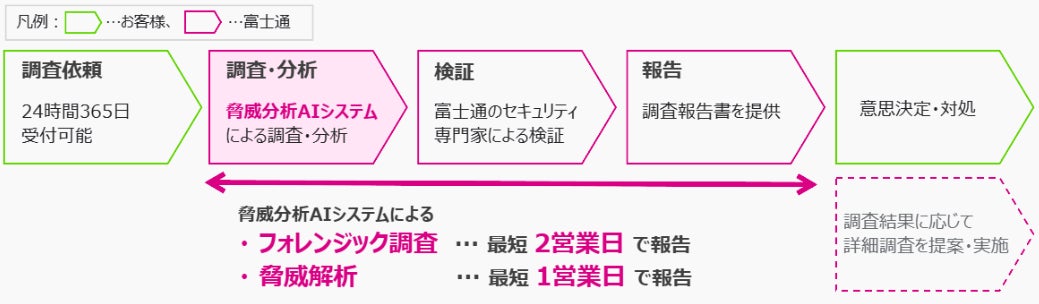
富士通、AIと専門家による迅速なインシデント調査と対応支援を組み合わせたサービスを提供開始
富士通株式会社
-

自治体の歯周疾患検診、2024年度の受診者は43万7,382人で前年度から21.6%増。20歳・30歳が初めて対象に。札幌の歯科医院ユアーズデンタルクリニック院長・湯口晃弘が分析。
医療法人令徳会
-

【最大60%OFF】人気の石けん&ひざケアサプリがお得に! フレージュ公式オンラインショップで11月9日より期間限定セール開催
株式会社フレージュ
-

「コードが書けない文系女子」がAI相棒とWebアプリを自作&世界へ販売!月額0円で動く次世代ノーコード共創ツール「Moana App Builder PRO」開発に向け、11月1日(日)20時よりCAMPFIREにてクラウドファンディング開始!
ぷれりり掲載リリース
-
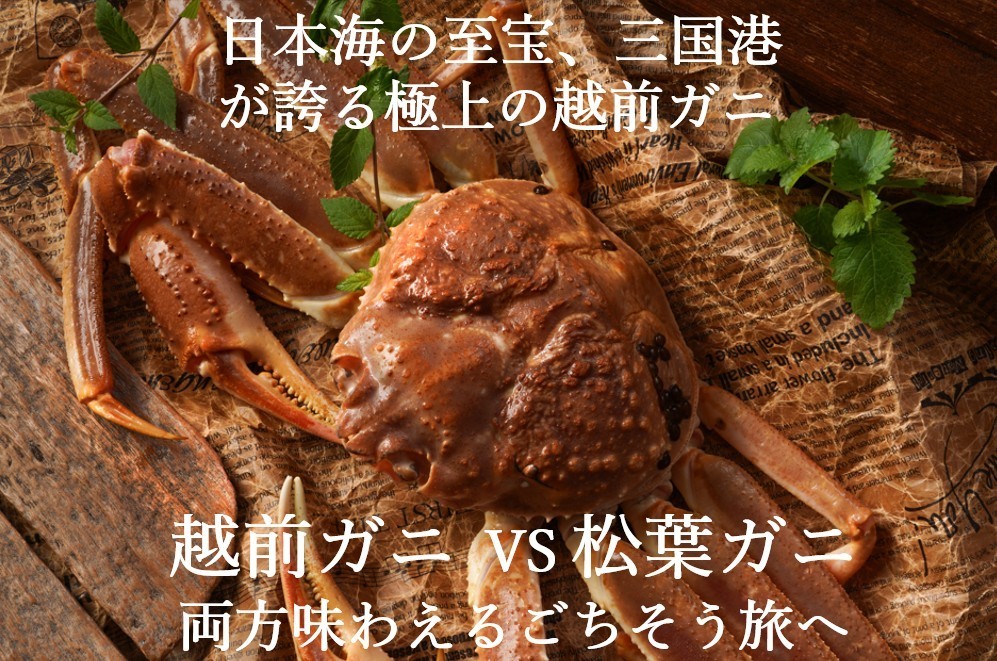
貸切観光タクシーで巡る「プレミアムオーダーメイドの旅」 福井・三国湊から兵庫・城崎温泉へ、お客様だけの贅沢旅 ご希望の方は越前ガニと松葉ガニの両方をご堪能いただけます!
株式会社ぷらど
-

「陳情令」劇場上映、第5弾決定! 藍忘機の誕生日前夜、 2027年1月22日(金)に開催!
株式会社ソニー・ミュージックソリューションズ
-

王貞治・イチロー・大谷翔平が一つの記念コレクションに!昭和・平成・令和を彩った3人の野球レジェンドを日本限定デザインで商品化
株式会社レッツ
-

11月14日(土)は埼玉県民の日 ムーミンバレーパーク・メッツァビレッジで協賛行事を開催! ムーミントロールが埼玉県庁で県知事へ報告
株式会社ムーミン物語
-
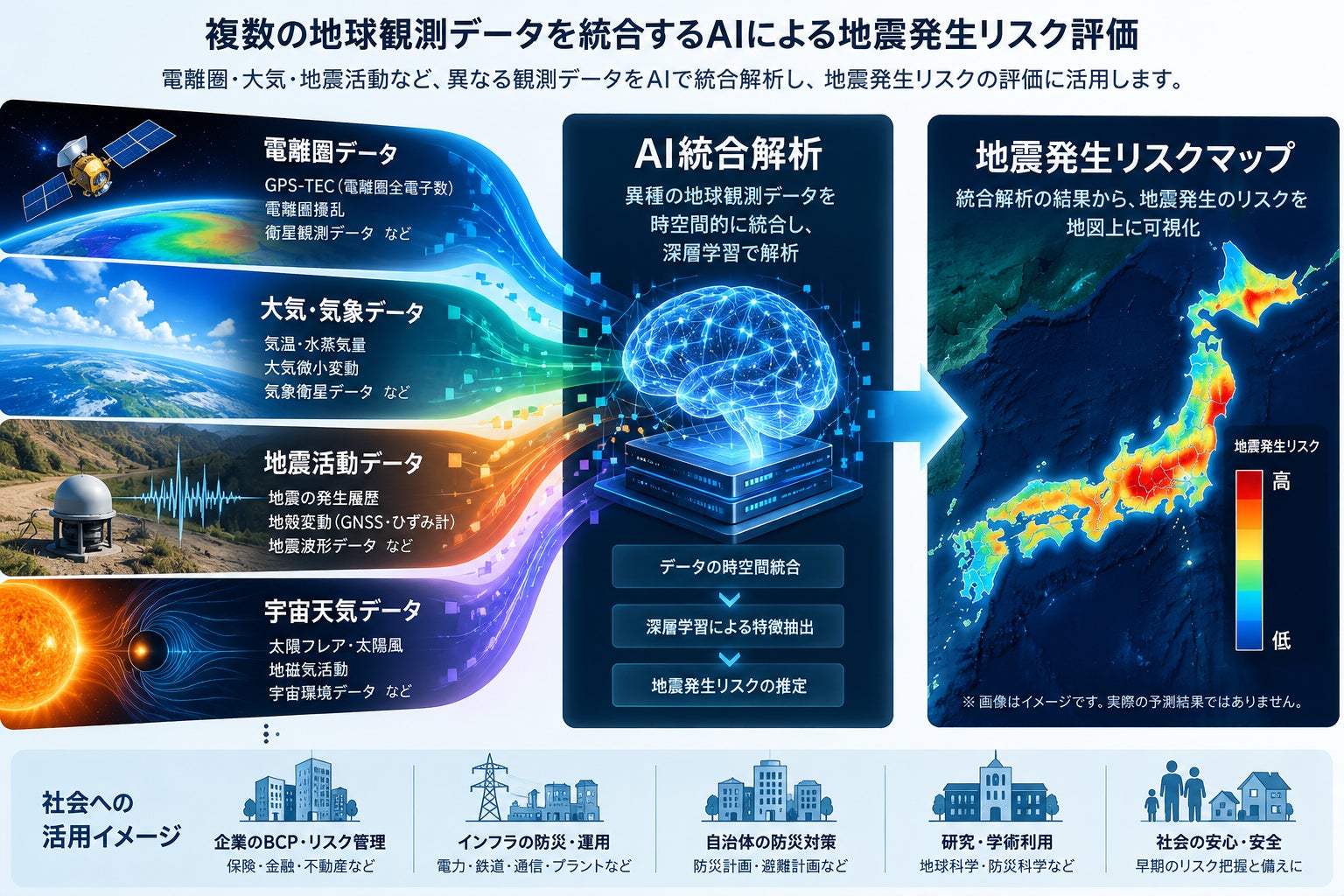
HiSR株式会社、複数の地球観測データを統合するAI地震予測技術について特許を出願
HiSR株式会社