 Zero
How Saudi Shoppers And Adult Buyers Shape Regional Beauty Shelves
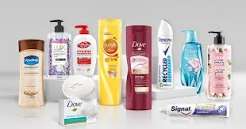
Beauty and personal care covers products for skin and hair. Scent and daily grooming lines complete the range across the Middle East and Africa. Buyers range from teenagers trying first routines to adults buying prestige lines for work and travel. Climate shapes choices. Heat and sun exposure push buyers toward hydration and sun protection. Retail spans large grocery chains and pharmacies.
A recent study by Markntel Advisor highlights that the Middle East & Africa beauty and personal care sector was valued at USD 26.29 billion in 2025 and is projected to grow from USD 27.39 billion in 2026 to USD 34.59 billion by 2032, registering a CAGR of 3.97% during 2026–2032. Skin care accounts for an estimated 32% of demand, while Saudi Arabia holds an estimated 24%.
Skin Care Leads Through Climate Needs And Daily Protection Habits
Skin care leads the product range with an estimated 32% of demand. Harsh heat and ultraviolet exposure keep hydration and barrier repair in daily use through the year. Shoppers favor moisturizers with sun protection built in, and after-sun repair items follow long outdoor days. Manufacturers widen portfolios with climate-specific formulas for Gulf and North African buyers.
Adults lead buying with an estimated 73% of demand in 2026. Independent comes and steady jobs support regular spending on premium skin care and growing essentials. Egypt and South Africa show adult-weighted populations, with median ages of 25.4 years and 29.6 years in 2025. Brands answer with multifunctional products and targeted solutions for adult routines and self-care habits.
Saudi Arabia Anchors Regional Buying With Scale And Tourism Flows
Saudi Arabia leads the region with an estimated 24% of demand. The Kingdom pairs the largest consumer base in the Gulf with sustained public investment in retail and tourism. Airport passenger traffic reached 140.9 million in 2025. That flow feeds duty-free and airport retail for fragrances and travel-size skin care. Expanding retail destinations keep premium lines visible to visitors and residents alike.
Visitor flows add a second engine. The Middle East recorded 3% growth in international tourist arrivals in 2025, standing 39% above pre-pandemic levels, with Egypt posting 20% growth. Workforce participation also widens the buyer base, since Saudi female employment reached 31% in the fourth quarter of 2025. Professional grooming spending rises as more women enter formal work.
Online Stores And Arabic Chat Tools Reshape Beauty Discovery
Digital retail keeps widening access across the region. Internet penetration in Saudi Arabia reached 99% in 2024, and 93.1% of online purchases ran through local Saudi websites again than Overseas platforms. Localized commerce keeps spending on domestic platforms, and brands reach loader segments without relying on cross-border shipping. Payment systems and delivery networks keep improving, which supports repeat online buying.
Conversational tools now guide shoppers in Arabic-first sessions. One Gulf retail group reports that its shopping assistant lives conversion to 2.5 times the rate of standard sessions, with users spending 7.4 minutes longer per visit. Most interactions run in Arabic, and most users come from Saudi Arabia. Physical stores plan to place advisors beside these tools during 2026, keeping human advice in the loop.
Tighter Ingredient Rules Push Sellers Toward Faster Reformulation
Ingredient rules keep tightening across the region. The Saudi food and drug authority added three substances to its restricted list and added 21 ingredients to its prohibited list, with new concentration limits on several items. Sellers must reassess formalas and documents before enforcement dates arrive. Published cosmetics regulation from the authority guides makers through screening and reformulation steps.
Halal manufacturing adds a second compliance lane. A sovereign fund unit backs halal product development with cosmetics named beside foods and pharmaceuticals as a core focus. Shariah-compliant formalas and transparent labels shape this lane. Prepared makers that finish reformulation early keep registrations intact, while late movers face delays. Retail buyers favor suppliers that document compliance clearly and early.
Workplace Routines And Travel Retail Will Carry The Next Phase
Workplace routines and travel retail point to steady buying ahead. Sellers that pair climate-specific formalas with Arabic-first digital service should hold attention across Gulf and North African buyers. Tourism flows and laborforce participation widen the buyer base further through 2032. Through 2032, portfolios built on protection and local release should stay closest to daily habits. Sellers that listen to climate needs should keep an edge.
Zero Press のデータで見るこのリリース
- 配信元
- MarkNtel Advisors(Zero Press 掲載 8 本)
- 配信
- Zero Press から配信
- カテゴリ
- その他
- 直近 7 日の配信
- その他 166 本 / 全体 11,426 本
Zero Press が取り込んだ配信データから自動集計しています。カテゴリ別・業界別のより詳しい分析は週間動向レポートで毎週公開しています。
このジャンルのリリースを書くときのガイド

このリリースの配信元
MarkNtel Advisors
企業概要・過去のリリース・提供資料は企業ページでご覧いただけます。
-

Re-Commerce Gains Momentum Through Smarter Secondhand Buying
MarkNtel Advisors
-

Saudi Cybersecurity Strengthens Digital Resilience at Scale
MarkNtel Advisors
-
Italy Swimming Pool Chemicals Gain Ground with Water Quality Focus
MarkNtel Advisors
-
India Ride Gear Advances with Safety and Performance Trends
MarkNtel Advisors
-
【CAMPFIRE実施中】英単語バトルゲーム『WordForge』、クラウドファンディングで教室版開発へ ― 無料オンライン大会「#WordForge杯」は12月5日開幕
WordForge
-

運動能力と生きる力を育む教育型キッズダンススクール「JDACダンススクールソコラ若葉台校」が東京都稲城市に2026年11月新規開校!
一般社団法人ダンス教育振興連盟JDAC
-

整骨院発「卒業」をめざすリハビリデイ、5年で累計50店舗へ 11月から全国でFC加盟店を募集
株式会社ワンネスホールディングス
-

中・長期レンタル専門「JBレンタカー」、関東12店舗でスタッドレスタイヤ付きの車を週単位・月単位で提供
株式会社ニシザワ
-

【11月度】エニタイムフィットネスのウェブマガジン「HEALTHIER MAGAZINE」を更新
株式会社Fast Fitness Japan
-
バニラ香る正統派「京阪ザ・プリン」が「くふうトクバイ おいしいもの総選挙2026」スイーツ部門にて【入賞】!
株式会社京阪ザ・ストア
-

Orkas、定期タスクの曜日・月内日付を複数指定できる更新版を公開
ぷれりり掲載リリース
-

グッドデザイン賞受賞住宅「8つの光庭のある家」、ヴェネチア国際建築展「TIME SPACE EXISTENCE 2027」に公式招待 ― 出展資金を募るクラウドファンディングを実施中
ぷれりり掲載リリース
-

日本プリント基板市場のトレンド、電子機器需要、業界成長分析 2026-2034
Haruto
-
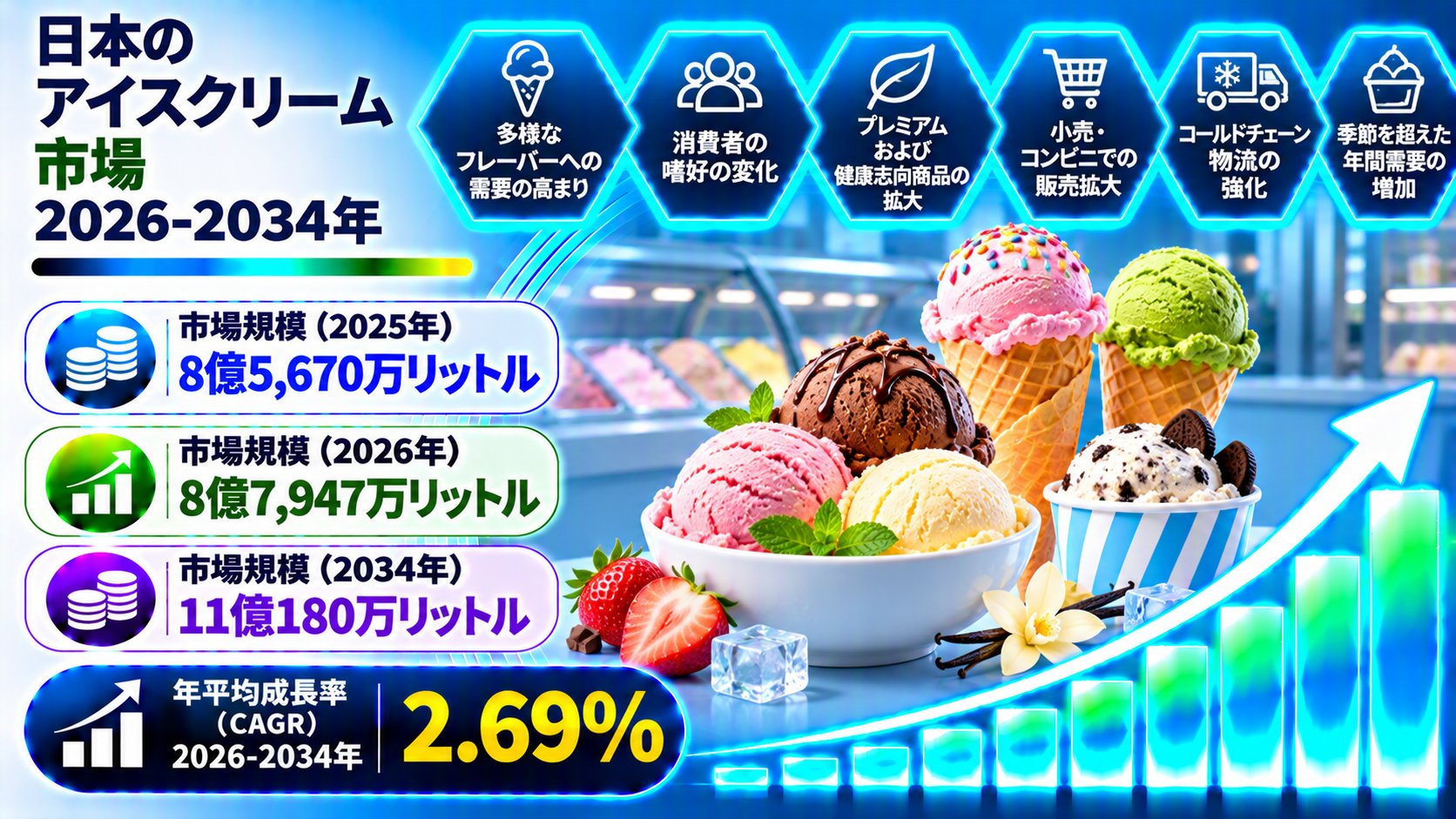
日本アイスクリーム市場の規模、シェア、成長、予測 2026-2034
Haruto
-
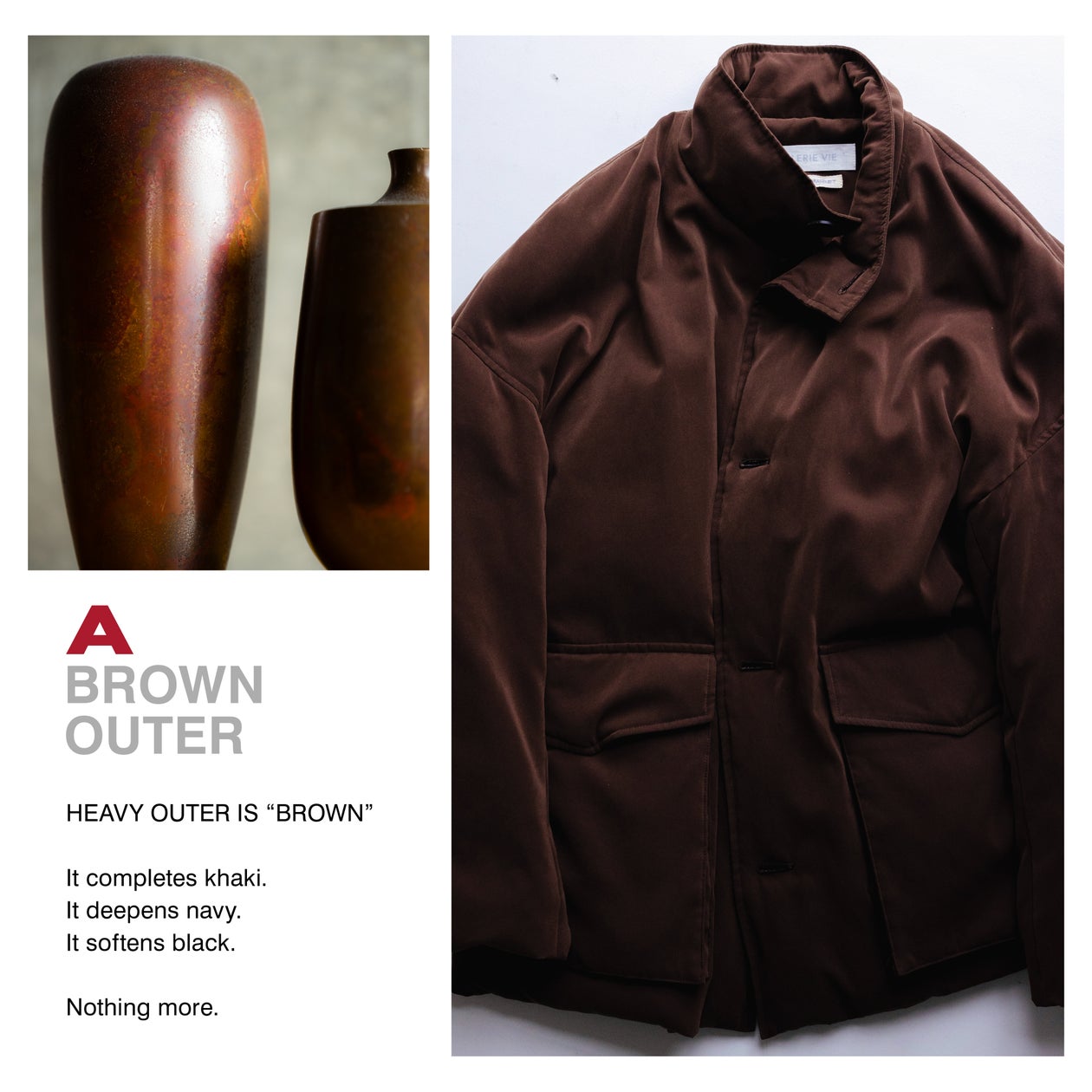
スーパー エー マーケット各店にて 11月6日(金)より「A BROWN OUTER」を発売
株式会社 トゥモローランド
-
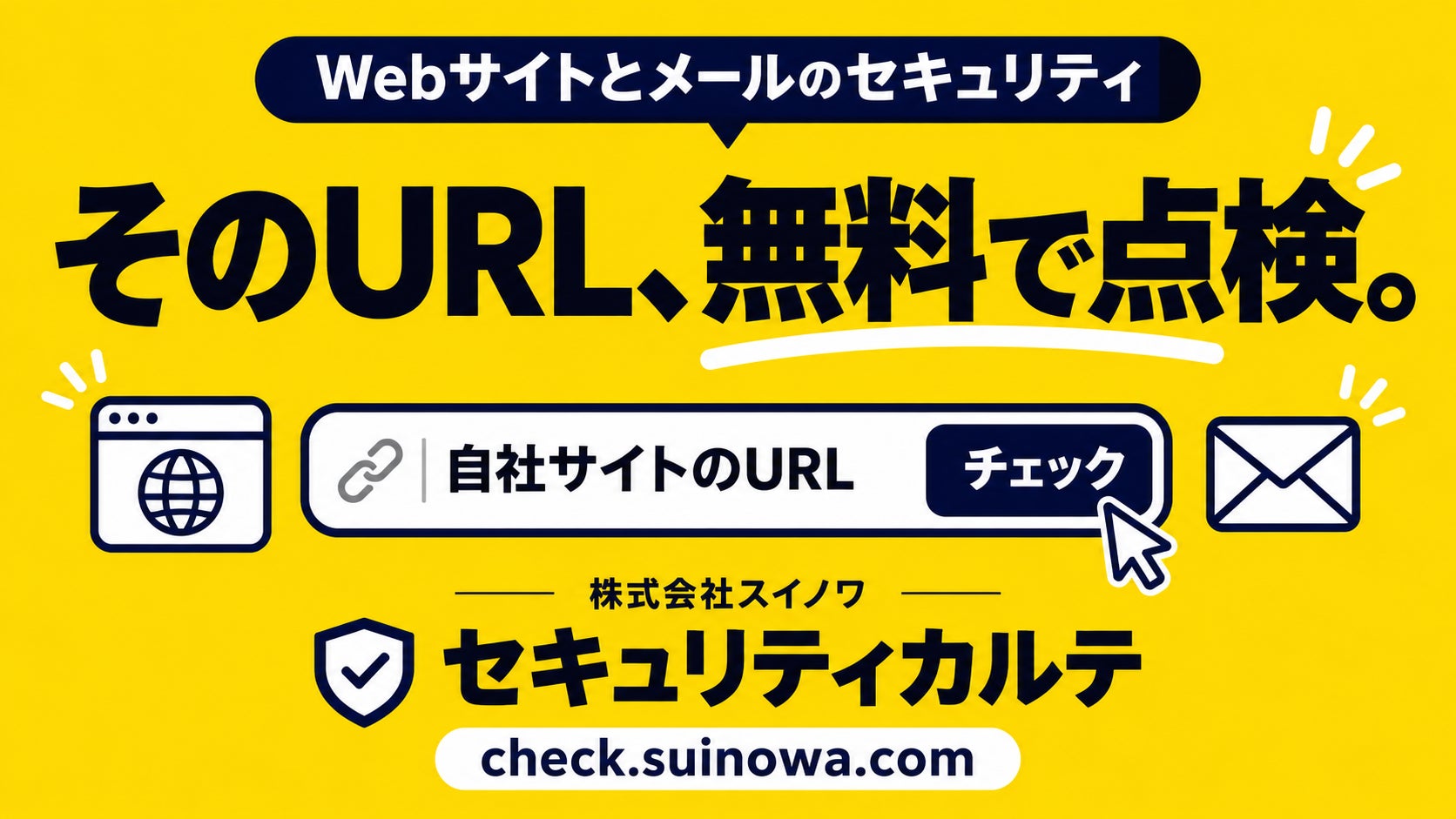
自社サイトのURLを入力するだけで、自社サイトとメールのセキュリティを無料点検
株式会社スイノワ